



The Smart Locker for University Device Handoffs

On modern campuses, device lending should not depend on who is available at the desk.

ForwardPass gives higher education teams a smart locker for universities that automates short-term loans, semester loans, specialised device checkout, broken device intake, ad-hoc charging, and department shift programs.

Students and faculty can self-serve when access matters most, while IT keeps the full handoff record: who took which device, when it was issued, when it came back, and what still needs follow-up.

From one library desk to multiple campus locations, ForwardPass keeps university device programs charged, accountable, and in circulation.

Find Out More
Student device access is harder to manage than it should be.

ForwardPass helps colleges and universities make it faster, easier, and more accountable.

The hidden friction behind student device acccess

Student device access looks simple from the outside: a student needs a laptop, and the institution has devices available. But behind each loan is a chain of small, manual steps that can slow students down, stretch staff capacity, and make accountability harder to maintain.

Manual checkout and return workflows eat staff time

Paper forms, barcode scans, deposits, desk handoffs, and manual follow-up make every loan dependent on staff availability. The more demand grows, the more the workflow pulls people away from higher-value support.

Loaner devices do not always come back on time

Overdue laptops create a recurring follow-up cycle. Staff have to chase returns, reconcile records, and make sure the program can keep serving the next student who needs a device.

Accountability depends on reliable handoff records

Higher education teams need to know which student took which device, when it was issued, whether it came back, and which asset ID or serial number was involved. Without a clear audit trail, device lending becomes hard to manage and harder to defend.

Device access is an equity issue

For students without reliable personal technology, a loaner laptop can be the difference between completing coursework and falling behind. Campus lending programs help close that gap, but only if access is simple, available, and consistent.


Devices are not always charged, ready, or in the right condition

For students without a personal laptop, SUNY Fredonia replaced staff-dependent laptop checkout with self-serve access to fully charged devices  supporting roughly 4,000 students and reducing fixed desktop stations from 30 to 14.


Peak periods put the whole process under pressure

Midterms, finals, enrollment, and start-of-term rushes can overwhelm manual systems. The higher the demand, the harder it becomes to keep access fast, fair, and fully tracked.

See how ForwardPass could fit your institution.

Book a Discovery

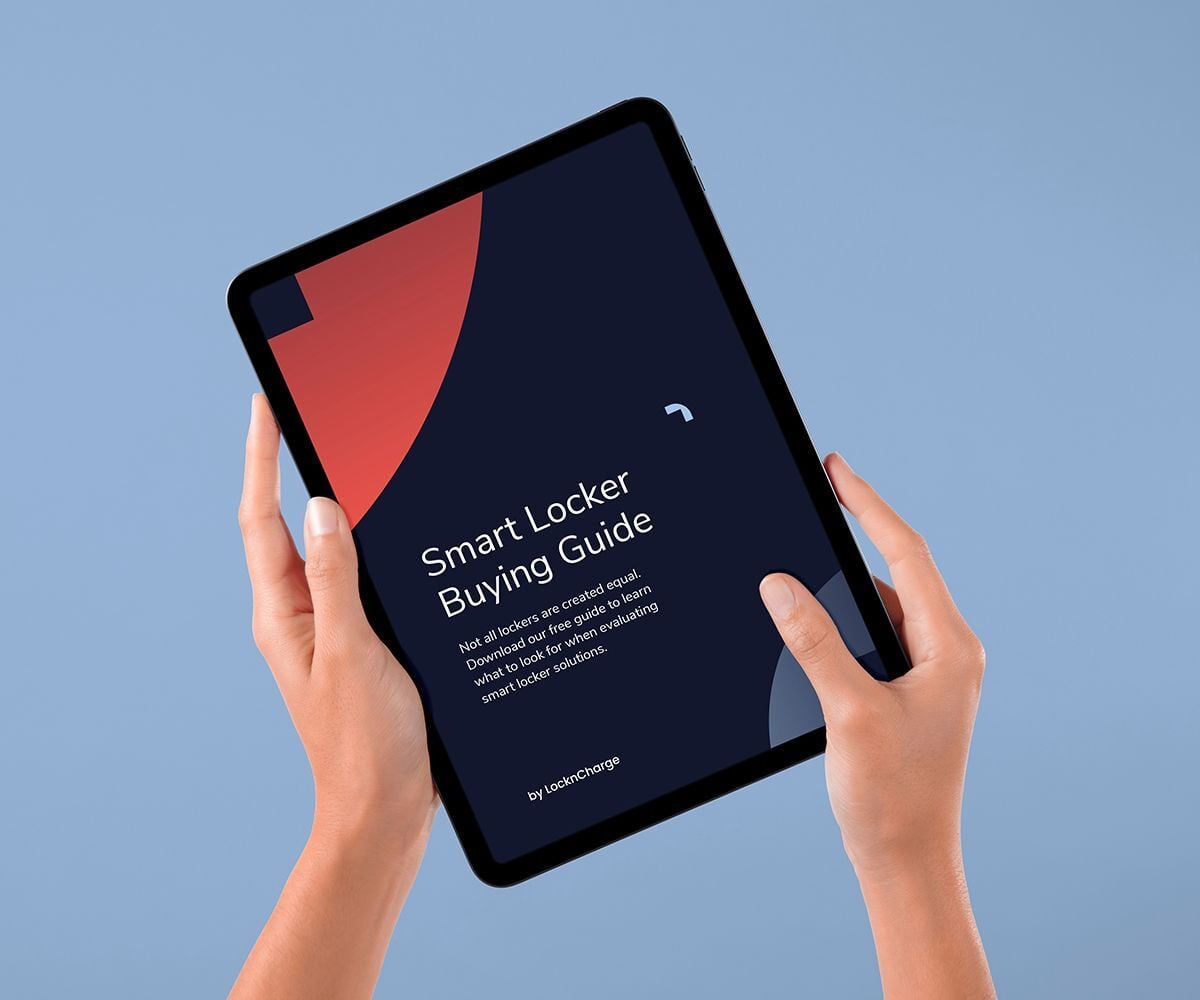
Your Smart Locker Buying Guide

Not all lockers are created equal. Download our free guide to learn what to look for when evaluating smart locker solutions.

Get the Guide

Stay up-to-date with our latest news

FAQs

Students authenticate, pick up a loaner, and return it through a logged workflow. IT gets visibility into who has what, and when it’s due back — without a staffed desk.

Yes. Many institutions place a library smart locker near circulation or in a learning commons so students can pick up and return devices after hours while staff maintain an audit trail.

Higher education charging lockers provide secure storage and power for devices between classes, overnight, or during peak study periods — especially in libraries, student centres, and residence halls.

Many college lockers are traditional storage for personal items. Smart lockers for colleges add controlled access, logging, and workflows — making them useful for shared assets like laptops, hotspots, and exam kits.

ForwardPass supports asset sharing for multi-campus universities with centralised visibility, standardised handoff workflows, and reporting — so teams can see where inventory is, what’s in circulation, and what’s ready.

Yes. Smart lockers for student residences can support secure pickup, returns, and charging where students live — reducing daytime queues and improving after-hours access.

Every handoff is tied to an authenticated user and logged in the portal, supporting reliable campus asset monitoring without manual spreadsheets or inconsistent checkouts.